
CELEBRITY
Trump Has Been Unable to Sleep for Four Days After Striking Iran, as a Retaliatory Message Telling Him “Do Not Sleep Tonight” Came After the Strike; White House Staff Also Break Silence on….

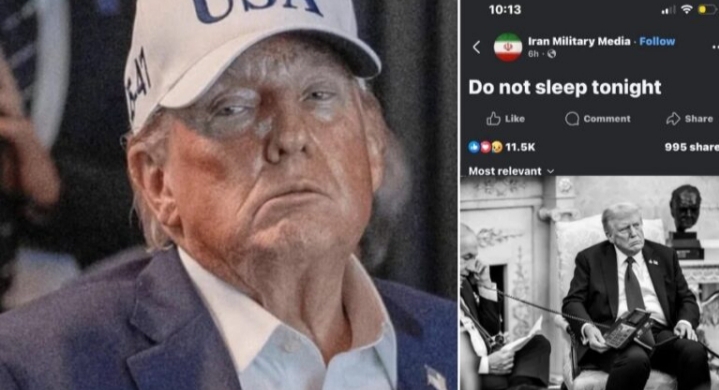
Trump Has Been Unable to Sleep for Four Days After Striking Iran, as a Retaliatory Message Telling Him “Do Not Sleep Tonight” Came After the Strike; White House Staff Also Break Silence on….
## Tension Mounts Around President Donald Trump After U.S. Strikes on Iran
The White House is facing intense pressure following recent U.S. military strikes on Iran ordered by President Donald Trump, as the conflict in the Middle East continues to escalate rapidly.
The strikes, conducted in coordination with Israel, targeted Iranian military facilities, warships, and missile systems after intelligence suggested Tehran was preparing attacks against U.S. and allied forces. The operations also reportedly resulted in the death of Iran’s Supreme Leader, Ali Khamenei, dramatically reshaping the region’s political landscape. ([AP News][1])
In the days following the strikes, Iran launched retaliatory missile and drone attacks across the region, hitting targets linked to Israel, Gulf nations, and U.S. interests. Military officials say hundreds of missiles and drones have been launched since the beginning of the conflict, although American and allied defenses have intercepted many of them. ([ABC News][2])
Speaking at the White House, Trump claimed the military campaign had severely damaged Iran’s capabilities. He said the country’s navy, air force, radar systems, and missile launch infrastructure had been “knocked out,” while warning that further retaliation from Iran remains possible. ([TIME][3])
The situation has also drawn criticism domestically. Polls suggest a significant portion of Americans remain skeptical about the decision to launch the strikes and worry about the possibility of a prolonged war. Some lawmakers have questioned whether the administration has a clear long-term strategy for stabilizing the region after the attacks. ([Reuters][4])
Meanwhile, officials within the White House have defended the president’s decision, describing the strikes as a pre-emptive measure intended to prevent what they called an imminent Iranian threat. The administration insists that there are currently no plans to deploy U.S. ground troops, although military operations could continue for several weeks depending on Iran’s response. ([Reuters][4])
Global leaders are watching closely as tensions rise, with concerns growing that the conflict could expand further across the Middle East, disrupt oil supplies, and draw additional countries into the crisis.
For now, diplomatic efforts remain uncertain as both Washington and Tehran signal they are prepared for continued confrontation.