
CELEBRITY
🇮🇷🇺🇸 BREAKING: Saudi Arabia, the United Arab Emirates, Kuwait, and Qatar may withdraw from contracts with the U.S. and cancel future investment commitments in the U.S. to alleviate some of the economic strain imposed upon them by the Iran war.

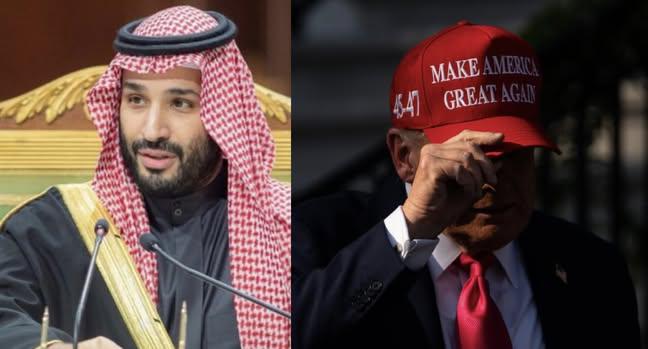
🇮🇷🇺🇸 BREAKING: Saudi Arabia, the United Arab Emirates, Kuwait, and Qatar may withdraw from contracts with the U.S. and cancel future investment commitments in the U.S. to alleviate some of the economic strain imposed upon them by the Iran war.
Recent reports indicate that several major Gulf states—including **Saudi Arabia, the United Arab Emirates, Kuwait, and Qatar—are reviewing their economic commitments to the United States** as the escalating conflict involving Iran begins to place pressure on their domestic economies and regional stability. ([Reuters][1])
### Gulf States Reconsider U.S. Contracts Amid Iran War
Saudi Arabia, the United Arab Emirates (UAE), Kuwait, and Qatar are reportedly evaluating whether to withdraw from certain contracts with the United States and reconsider future investment pledges as the ongoing conflict with Iran intensifies. According to officials familiar with the discussions, the move is being considered as part of broader efforts to reduce the economic strain caused by the war and its regional consequences. ([Reuters][1])
The conflict has created significant financial pressure across the Gulf region. Disruptions to shipping routes, particularly around the Strait of Hormuz—through which a large portion of the world’s oil and gas flows—have affected energy exports and global trade. At the same time, increased defense spending and attacks on infrastructure have placed additional burdens on government budgets. ([The Siasat Daily][2])
Officials say the countries are exploring whether **“force majeure” clauses**—legal provisions that allow contracts to be suspended during extraordinary events—could be invoked to pause or cancel some international agreements. Such reviews could potentially impact investment pledges to foreign governments and companies, business contracts, and sponsorship deals abroad
The Gulf states collectively control some of the world’s largest sovereign wealth funds and have historically invested heavily in Western economies, particularly the United States. Any large-scale withdrawal or delay of investment commitments could therefore have broader implications for global financial markets and diplomatic relations.
While no final decisions have been announced, the discussions reflect growing concern among Gulf leaders about being drawn into a prolonged regional conflict and the economic consequences that may follow. Analysts note that the situation remains fluid, and the final outcome will likely depend on how long the conflict persists and whether diplomatic efforts succeed in reducing tensions.

Iranian Hackers Finally Released 10 Undeniable Alleged Videos of Donald Trump with Minors in the Aftermath of Trump’s U.S. Strike on Iran: It Is Game Over, Trump Has No Excuse

JUST IN: Congress is set to subpoena Donald Trump and Melania Trump to testify about Jeffrey Epstein after Iranian hackers allegedly released 50 classified images of Donald Trump and Jeffrey Epstein with minors in retaliation for the ongoing attack on Iran See details 👇🏻👇🏻👇🏻

BREAKING NEWS: U.S. Senators have officially called for the removal of President Trump under the 25th Amendment, which mandates that Trump’s close associates must…see more 👇👇

TRUMP PRISON STUNNER Jack Smith just dropped new evidence before the Supreme Court — and it’s shaking the immunity debate to the core. The justices are now weighing arguments that could accelerate timelines and tighten accountability for a former president. No verdict yet — but the legal ground just shifted fast. 👉 The quiet move inside Smith’s filing that changed everything is now at the center of the storm.

Epstein Hearing Erupts After Ted Lieu Plays Audio — Patel Refuses to Answer The recent congressional testimony of FBI Director Kash Patel has become a watershed moment in the intersection of intelligence oversight and public accountability. Facing intense interrogation from both Congressman

JUST IN: 🇮🇷🇺🇸 Iran says “we will punish Trump and his Defense secretary Pete Hedgseth and other Republican Top political powerhouses for assassinating Supreme Leader Khamenei.” He must not go unpunished….

JUST IN: The U.S. Supreme Court rules Donald Trump does not have full immunity and to face a subpoena in the Epstein case, following Bill Clinton’s testimony.

JUST IN; Nuclear War Fears Spread Worldwide After North Korean Embassy in Tehran was Hit During Massive U.S.–Israel Missile Barrage Led by Donald Trump and Benjamin Netanyahu as Kim Jong Un finally Responds

JUST IN; U.S. Intelligence Network Reports Iran Has Activated Sleeper Cells Allegedly Targeting President Donald Trump, Defense Secretary Pete Hegseth, and Other Top Political Powerhouses amid Escalating Tensions in Middle East

Dr. Annie Andrews is running against Lindsey Graham for the South Carolina Senate seat that he’s been holding hostage since 2003.

JUST IN: DJT has fired up Air Force one and is speeding to Kentucky to try and get rid of REP THOMAS MASSIE!!
