
NEWS
🚨🔥 MELANIA TRUMP DROPS A BOMBSHELL! The First Lady says she brokered a cease-fire in a starving Ukrainian city, raising hopes for desperate civilians awaiting food, medicine, and safety. Could this unexpected intervention change everything for families trapped in the devastating conflict? 👀👇 CLICK NOW!

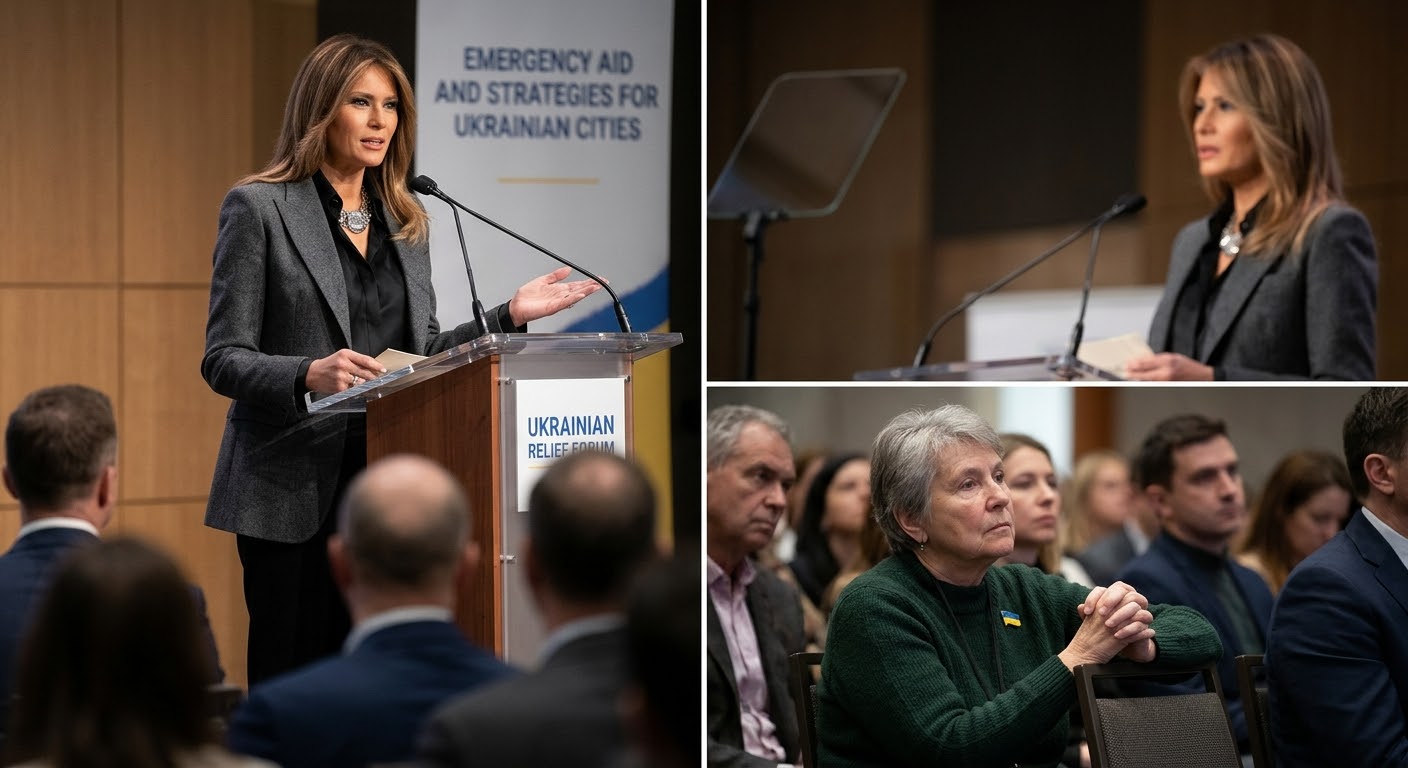
A desperate humanitarian crisis. A city struggling to survive. And an unexpected diplomatic intervention that could bring relief to thousands of civilians.
First Lady Melania Trump has announced that she helped broker a temporary cease-fire between Russia and Ukraine in the besieged Ukrainian city of Oleshky, raising hopes that residents could finally receive essential supplies and assistance to escape dangerous conditions.
The White House announced the agreement on October 23, 2026, describing it as a localized halt to military action intended to facilitate humanitarian aid deliveries and prepare a safe passageway for civilian evacuations. The cease-fire is scheduled to begin on October 29.
The announcement has drawn international attention because of the extraordinary conditions facing people who remain in the Russian-occupied city.
Oleshky, located in Ukraine’s southern Kherson region, has experienced years of war, destruction, and displacement.
Before Russia’s full-scale invasion of Ukraine in February 2022, the city had approximately 24,000 residents. According to the White House, only an estimated 1,700 to 2,000 people remain, including around 50 children. Many of those who remain are elderly people who have struggled to leave.
Conditions have deteriorated as damaged infrastructure, limited electricity, dangerous roads, and military activity have made daily life increasingly difficult.
Food, medicine, and clean drinking water are among the essential supplies residents urgently need. Roads affected by mines and the threat of attacks have also complicated efforts to bring in assistance and organize evacuations.
The situation has made humanitarian access a critical concern, particularly for older residents and people who cannot easily travel without help.
For families still living in Oleshky, the announcement offers the possibility of relief, although the actual delivery of aid and the safety of evacuation routes will depend on how the agreement is implemented.
🚨 How Did Melania Trump Become Involved?
According to a statement from the Office of the First Lady, Melania Trump initiated discussions with Russian and Ukrainian representatives after learning more about the circumstances facing Oleshky.
Her office said the discussions developed through a communication channel previously established during efforts to reunite children displaced by the war with their families.
The first lady and her representative subsequently worked with Russian and Ukrainian leadership to establish the proposed cease-fire’s objectives, procedures, timing, and terms.
Melania has made efforts to help children affected by the war a prominent part of her public humanitarian work. She has previously communicated with Russian President Vladimir Putin about children separated from their families during the conflict.
This latest initiative extends that involvement into a localized humanitarian arrangement focused on the needs of civilians trapped in a dangerous area.
However, the agreement should not be mistaken for a comprehensive peace deal between Russia and Ukraine. It applies specifically to Oleshky and is intended to support humanitarian operations rather than end the wider war.
The announced agreement has two central objectives: allowing humanitarian assistance to enter Oleshky and preparing a coordinated evacuation process for civilians who want to leave.
Under the plan outlined by Melania’s office, civilian representatives from both countries will visit residents to assess their needs and determine what assistance they require.
People who wish to evacuate are expected to receive coordinated transportation to their preferred destinations. The announcement said some residents might choose Russia, while others might prefer Ukraine.
The first lady also said an impartial American media organization had agreed to accompany the teams and document the process.
These arrangements could be particularly important for elderly residents who lack the resources or physical ability to navigate dangerous roads independently.
Nevertheless, the cease-fire’s announcement does not mean that food and medicine have already reached every household or that all residents have been evacuated. Those outcomes will depend on the agreement being carried out safely and effectively.
The proposed arrangement involves representatives from both countries, despite the continuing conflict between their forces.
Reuters reported that Russian military leadership had indicated plans to halt fire to facilitate the humanitarian operation, while Ukrainian negotiator David Arakhamia said the humanitarian effort would begin once the cease-fire took effect.
These developments suggest that the agreement has moved beyond a simple public announcement and toward operational planning.
Even so, implementing a cease-fire in an active conflict zone presents substantial challenges. The safety of aid workers, the condition of roads, the identification of safe evacuation routes, and the cooperation of military forces will all be important.
The real test will be whether the arrangement allows assistance to reach civilians without exposing them to additional danger.
The announcement comes as diplomatic efforts to end Russia’s war against Ukraine continue, with disagreements over territory, security, and the terms of a broader settlement remaining major obstacles.
A localized cease-fire cannot resolve those larger disputes on its own.
However, if the Oleshky arrangement succeeds in allowing aid deliveries and civilian evacuations, it could demonstrate the potential value of narrowly focused agreements aimed at protecting vulnerable people.
It could also offer practical lessons for future humanitarian arrangements in other areas affected by the fighting.
For now, the emphasis remains on the immediate needs of residents rather than speculation about whether the agreement will transform the wider conflict.
Behind the diplomatic announcements are ordinary people facing difficult choices about their safety, families, and future.
Older residents may need medical attention and help obtaining medication. Families may have to decide whether leaving their homes is safer than remaining in a city where basic services have been severely disrupted.
For those people, the most important outcome will not be the headlines surrounding the agreement. It will be whether they receive food, clean water, medical assistance, and a safe opportunity to leave if they choose.
The coming days will be crucial as preparations continue for the planned cease-fire.

This has just put all Taylor Swift rumours to bed, Taylor and Travis heading out after attending a charity event in Beverly Hills, See Obvious photos and 3mins interview video of both Travis and Taylor

Queen Camilla’s ex-husband, 84, secretly finds love with TV host 😳 Better sit down, because you might recognize her (For Full Information, Check Link In Comment👇🏻👇🏻

5 minutes ago, King Charles made a SAD Announcement! Prince Harry has…. (For Full Information, Check Link In Comment👇🏻👇🏻)

“So disgusting”: Taylor Swift and Travis Kelce beach image sparks heated fan war and viral body image debate across social media

“So disgusting”: Taylor Swift and Travis Kelce beach image sparks heated fan war and viral body image debate across social media
🚨💍 Kim Kardashain and Lewis Hamilton are officially married after photos from their private wedding in the Bahamas were leaked. The intimate ceremony was attended by only close friends and family.❤️ But something unbelievable happened happened during the ceremony that has kept fans buzzing!

🔥👀 SYDNEY SWEENEY AND FERRAN TORRES IGNITE SOCIAL MEDIA AFTER A HEAD-TURNING BOAT SIGHTING IN FRANCE!

Taylor and Travis are going to be the best parents ever ❤️ See lovely photos & videos here…👇

🚨💔 ROYAL FAMILY IN TEARS! Prince William Breaks Down as He Reveals Heartbreaking News About Their Child The Palace Is Left in Shock Kate Bursts Into Tears, Saying “Our Child Has…

🚨❤️ JUST IN: Taylor Swift’s Absence at Travis Kelce’s Chiefs Game Sparks Major Questions — Now, a Vacation Photo Shared by Travis Has Fans Suspecting a Possible Pregnancy, and Everyone Is Zooming In on One Detail

Taylor Swift Sparks Fresh Buzz After Showing Off Her Stunning One-Month Pregnancy Glow in a Tiny Green Bikini While Soaking Up the Sun in Corfu and Sharing Sweet, Passionate Kisses With Husband Travis Kelce During a Dreamy Romantic Getaway Ahead of the NFL’s Game…see just released wedding photos and videos
