
NEWS
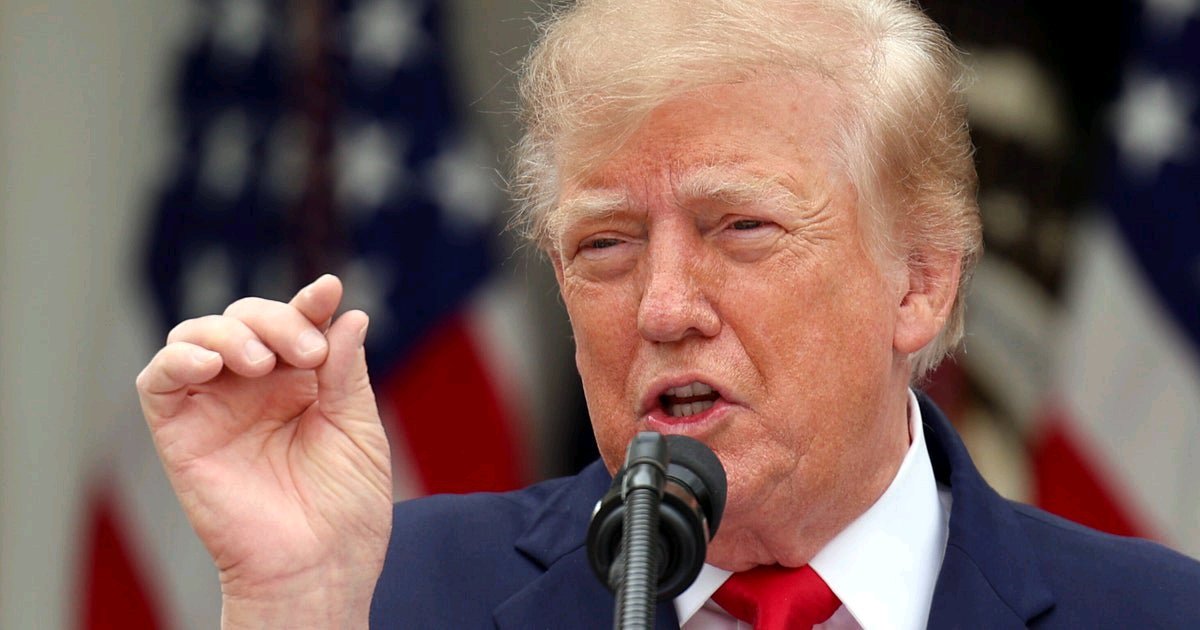
Trump’s Holier-Than-Thou Claim About Himself Has Critics Howling: ‘The F**k?’

Trump’s Holier-Than-Thou Claim About Himself Has Critics Howling: ‘The F**k?’
Trump’s Claim That He Doesn’t Mock People Sparks Backlash Online
WASHINGTON, October 16, 2026 — President Donald Trump is facing criticism online after claiming that he does not go around mocking people, prompting critics to point to his long history of using insulting nicknames against political opponents.
The controversy followed an interview with Gray Television journalist Jon Decker, who questioned Trump about his disagreements with Republican Senator Dan Sullivan of Alaska.
Decker noted that Sullivan generally agrees with Trump on many issues but has expressed concerns about the president’s approach to Russian President Vladimir Putin. Sullivan has described Putin as a dictator and authoritarian leader. The senator has also opposed a controversial diesel-related deal announced by Trump.
Asked why he believed he was right and Sullivan was wrong, Trump defended his approach by describing himself as a dealmaker.
“Well, look, I have to make deals with people, so I don’t go around calling them names,” Trump said, adding that he had become wealthy through business deals.
Trump also blamed former President Joe Biden’s approach to Russia, arguing that Biden’s criticism and rhetoric had contributed to tensions.
Critics Point to Trump’s Nicknames
Trump’s statement quickly drew reactions on social media, where critics highlighted numerous occasions on which he has used mocking or derogatory nicknames for political figures.
His past targets have included Republican politicians, Democratic lawmakers, government officials and other public figures. Nicknames such as “Sleepy Joe,” “Crooked Hillary” and “Little Marco” have become familiar features of his political communication.
Former Republican strategist Rick Wilson responded to the president’s claim with a brief expression of disbelief.
Other critics argued that Trump’s use of nicknames has been a recurring part of his public persona, while some pointed to publicly available footage of his remarks as evidence contradicting his statement.
The reaction reflects a broader debate about Trump’s communication style and the role personal insults play in American political discourse.
A Debate Over Political Rhetoric
Trump has frequently used nicknames to criticize opponents and attract attention during speeches, interviews and online exchanges. Supporters may view the approach as blunt political messaging, while critics argue that it contributes to a more hostile political environment.
In this latest exchange, Trump presented his reluctance to insult people as part of his approach to negotiating and maintaining relationships with others.
However, critics questioned that characterization because of his documented history of using personal nicknames against political rivals.
The exchange has once again drawn attention to the contrast between Trump’s description of his own conduct and the language he has used publicly.
The bigger question: Is Trump’s nickname-driven communication simply a political strategy, or does it make constructive political debate more difficult?

Trump’s Holier-Than-Thou Claim About Himself Has Critics Howling: ‘The F**k?’

Laken Snelling Sentenced to 10 Years in Prison After Pleading Guilty to Manslaughter

Hayden Panettiere Judge Greenlights Actress’ Ex Wladimir Klitschko Asking for Cops to Investigate Missing Jewelry

🏆 Taylor Swift’s “Opalite” Surpasses “You’re On Your Own, Kid” in Spotify Streams

‘Time for Me to Come Home’: How a Familiar Face Sparked the Chiefs’ Offensive Revival

Democrats’ plans to investigate Trump could hit a wall nobody expected: report

Jared Kushner Faces Lawsuit Over Diplomatic Role and Potential Conflicts of Interest

Billy Joel ‘My Neurologist Says I’m Not Allowed to Perform or Drive’

‘Panic has set in’: GOP braces for wipeout as lawmakers facing ‘toxic’ environment

GOP revolt brewing after Pete Hegseth blindsided his own inner circle: report

Taylor Swift and Travis Kelce Are Serving Peak Summer-Couple Energy in New York City as They Stroll Hand in Hand Through Manhattan Looking Effortlessly Cool and Proudly Showing Off Their Wedding Rings in a Moment That Has Fans Completely Swooning
