
CELEBRITY
Donald Trump Makes a Crucial Midterm Gamble — And His Unpopularity Is at the Center of It

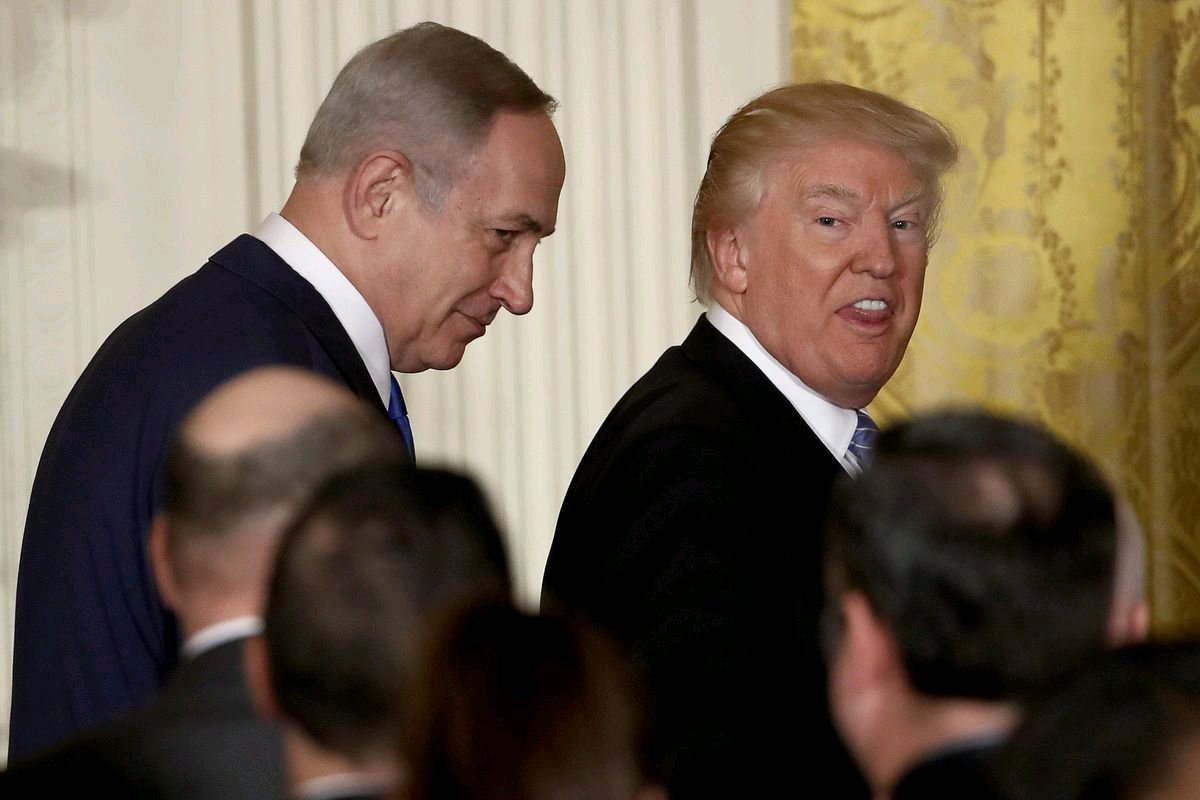
With the 2026 midterm elections approaching, Donald Trump is putting himself at the center of the Republican campaign.
That strategy could give Republican candidates access to Trump’s loyal political base. But it also creates a clear political risk: voters who are unhappy with Trump may see the midterms as an opportunity to express that dissatisfaction.
Recent polling shows just how difficult the environment has become for the president.
A Reuters/Ipsos poll conducted September 17–20 found that Trump’s overall approval rating had fallen to 32%, the lowest level recorded in Reuters/Ipsos polling across his presidencies. His approval among Republicans also fell to 73%, down from 86% in January.
The economy and cost of living are major parts of the problem. Only 17% of respondents in the Reuters/Ipsos survey approved of Trump’s handling of the cost of living, which the poll identified as the top issue Americans say will influence their vote.
Trump Is Asking Voters to Think About Him
At the Republican midterm convention in September, Trump explicitly encouraged voters to treat the election as if he were on the ballot.
That approach puts his record, popularity and policies directly into the campaign.
The Associated Press described the strategy as making the 2026 midterms a referendum on Trump’s presidency.
For Republicans, the calculation is straightforward: Trump’s political base remains highly engaged, and his presence can generate attention and enthusiasm.
But the same strategy can also remind dissatisfied voters why they want change.
The Numbers Are Sending a Warning
The Reuters/Ipsos survey found registered voters preferred Democratic congressional candidates over Republican candidates by 43% to 35% when asked which party they would support in the midterms.
That eight-point difference was the largest Democratic advantage in Reuters/Ipsos polling this year.
Other recent reporting has also highlighted growing concern among Republicans about the political environment.
Axios reported on September 26 that Republican officials and allies were increasingly worried about Trump’s unpopularity affecting candidates across the country.
That does not mean the election result is predetermined. Congressional elections are decided race by race, and factors such as individual candidates, local issues, turnout, fundraising and the political geography of each state and district all matter.
Republicans also retain structural advantages in several Senate races and have benefited from congressional redistricting in some states.
The Economy Could Be the Bigger Issue
Trump returned to the White House promising to address inflation and improve economic conditions.
But voters continue to focus heavily on prices and affordability.
The September Reuters/Ipsos poll found that Trump’s approval on the economy had fallen substantially among Republicans, while his approval on the cost of living stood at only 44% among Republicans.
That creates a difficult political situation for Republican candidates.
They can campaign alongside Trump and benefit from his loyal supporters, but they also risk becoming closely associated with his unpopular policies and the problems voters blame on his administration.
Why This Matters Before November
Trump’s decision to make himself such a central figure in the midterm campaign could ultimately become one of the defining stories of the election.
If voters are satisfied with his administration, putting Trump at the center could help Republican candidates.
If voters are dissatisfied, however, the same strategy could make it easier for them to connect their concerns about prices, the economy and foreign policy directly to Republican candidates.
That is why Trump’s current approval numbers matter.
The question is no longer simply whether Trump can energize his supporters. The broader question is whether his popularity—or lack of it—will influence voters who are less firmly attached to either party.
The 2026 midterms are still weeks away, and polling can change.
But one thing is already clear: Trump has chosen to make himself a central part of the Republican midterm message.
Now voters will decide what that means when they cast their ballots on November 3.
What do you think—will Trump’s unpopularity become a major issue for Republicans in the midterms?

Viral Photos Claim 70-Year-Old Kris Jenner Was Spotted Sharing a Passionate Kiss With Her New 20-Year-Old Boyfriend on a Miami Beach Just After Allegedly Ending Her Decade-Long Relationship With Corey Gamble

Taylor Swift Makes History in Nashville as the Youngest-Ever Hall of Fame Inductee! Travis Kelce Joins Her for the Award After the Chiefs’ 20–3 Loss to the Seahawks

Connor Storrie in Talks to Join Ryan Gosling in Marvel’s ‘Ghost Rider’

💪💯🔥GREATEST OF ALL TIME! Serena Williams relaxing on Miami beach. looking at that poor pair of shorts fighting for survival. See more breathtaking photos and well captured video.

😱👀Taylor Swift and Husband Travis Kelce Get Naughty at the Beach as Taylor Goes Wild and Devours Him in a Steamy New Clip

JUST IN: Taylor Swift and Travis Kelce Finally Reveal Their Wedding Photos After Daily Mail’s BOMBSHELL Report About Their Wedding Decor Being BURNED TO THE GROUND! Now, Fans Are Looking Closely at Every Detail!

🚨🔥 KRIS JENNER, 70, STUNS FANS WITH SHOCKING BABY BUMP PHOTOS! The Kardashian matriarch has sparked a massive online debate after stunning new images appeared to show a baby bump! Fans are asking questions, sharing reactions, and wondering what is really going on. Is this real or just another internet rumor? 👀💥 CLICK TO SEE THE PHOTOS AND THE FULL STORY!

Taylor Swift Officially Releases an Exclusive First Look at Her Wedding Photos With Travis Kelce After Months of Secrecy and Recent Daily Mail Leak of the Original Layout Plans and Scrapped Decisions

This has just put all Taylor Swift rumours to bed, Taylor and Travis heading out after attending a charity event in Beverly Hills, See Obvious photos and 3mins interview video of both Travis and Taylor

Queen Camilla’s ex-husband, 84, secretly finds love with TV host 😳 Better sit down, because you might recognize her (For Full Information, Check Link In Comment👇🏻👇🏻

5 minutes ago, King Charles made a SAD Announcement! Prince Harry has…. (For Full Information, Check Link In Comment👇🏻👇🏻)
