
CELEBRITY
Kim Jong Un Takes North Korea’s Nuclear Threat to the Sea as Naval Power Expands

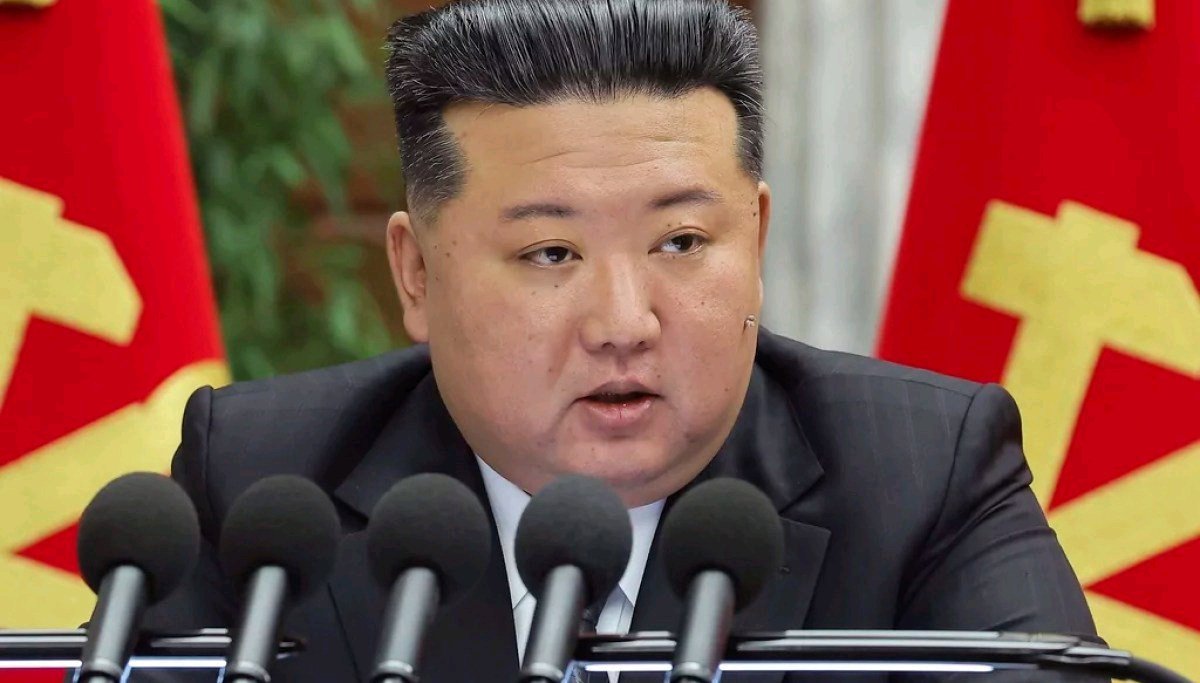
North Korean leader Kim Jong Un is pushing his country’s nuclear strategy further into the waters surrounding the Korean Peninsula, declaring that a newly commissioned warship will become part of Pyongyang’s nuclear response system.
The move marks another stage in North Korea’s effort to transform its navy into a force capable of supporting its nuclear deterrence strategy.
New warship joins North Korea’s growing naval force
Kim recently oversaw the commissioning of the Kang Kon, a 5,000-ton-class destroyer at the eastern port city of Wonsan.
According to North Korean state media, Kim said the vessel would be incorporated into the country’s nuclear response system and could support retaliatory operations.
Reuters reported that Kim described the ship as part of a broader effort to strengthen North Korea’s naval nuclear capabilities. However, Pyongyang has not clearly confirmed that the destroyer itself carries nuclear weapons.
The Kang Kon is the second destroyer of its class to enter service. North Korea previously commissioned the Choe Hyon, another heavily armed warship that analysts say could potentially carry missiles capable of delivering nuclear payloads.
A shift toward sea-based nuclear deterrence
For years, North Korea’s nuclear forces have been primarily associated with land-based missiles. Its expanding naval programme suggests that Pyongyang wants to add another layer to its deterrent.
A sea-based capability could make it harder for an adversary to identify and neutralize North Korean strategic weapons before they could be used.
Kim has also spoken about developing nuclear-powered submarines. In December 2025, North Korean state media showed Kim inspecting what it described as an 8,700-ton nuclear-powered strategic submarine under construction.
Analysts have cautioned that North Korea’s claims about its naval capabilities do not necessarily mean every announced system is fully operational.
Tensions rise around the Korean Peninsula
The naval developments come as tensions remain high between North Korea, South Korea, Japan and the United States.
On September 20, South Korea said North Korea launched two short-range ballistic missiles toward the sea from the Wonsan area. The missiles traveled roughly 450 kilometers and more than 600 kilometers before landing in waters off the country’s east coast, according to South Korean authorities.
The launches followed renewed North Korean warnings that Pyongyang intends to strengthen its nuclear deterrent.
North Korea has also rejected international pressure to abandon its nuclear programme. In September, Kim Jong Un’s sister, Kim Yo Jong, said the country’s nuclear-armed status was permanent and irreversible.
What comes next?
Kim has indicated that North Korea plans to continue expanding its naval forces, including additional warships and naval bases.
The country’s leadership has increasingly linked its maritime military expansion to its broader nuclear strategy, raising concerns among Washington, Seoul and Tokyo about how North Korea’s military posture could evolve.
For now, the key question is how quickly Pyongyang can turn its announced naval ambitions into fully operational capabilities.
What is clear is that North Korea is no longer presenting its nuclear deterrent as purely a land-based force. Kim Jong Un is seeking to give his country more ways to project strategic power at sea — adding another dimension to an already tense security environment in Northeast Asia.

BREAKING: Cameras Caught Patrick Mahomes Chugging Mystery Liquid From Strange Bottle Before SNF Kickoff [VIDEO]

“Taylor Swift’s Sweetest Postgame Moment Yet as She Runs Straight Into Husband Travis Kelce’s Arms After Chiefs-Colts Clash, Sharing a Hug and Celebrating Together on the Field after dramatic winner where Travis Scored a Touchdown “

Trump Faces New Developments as White House Media Fight Escalates

Kaitlan Collins Continues to Challenge Trump Amid Escalating White House Press Fight

Natalie Harp Showed Trump Critical Media Clips Before White House Ban of CNN, MS NOW and Politico

CNN, MS NOW and Politico Take Trump Administration to Court Over White House Press Ban

Major TV Networks Refuse to Replace CNN as White House Pool Camera Crew

Kim Jong Un Takes North Korea’s Nuclear Threat to the Sea as Naval Power Expands

Trump’s ‘His Hemisphere’ Post Sparks Backlash as Critics Question the Message

UK’s Burnham Heads to US for First Meeting With Trump as He Puts British Interests First

CNN, MS NOW and Politico Take Trump Administration to Court Over White House Ban
