
NEWS
Whoopi Goldberg’s SAD NEWS😭💔. See in the first comment👇

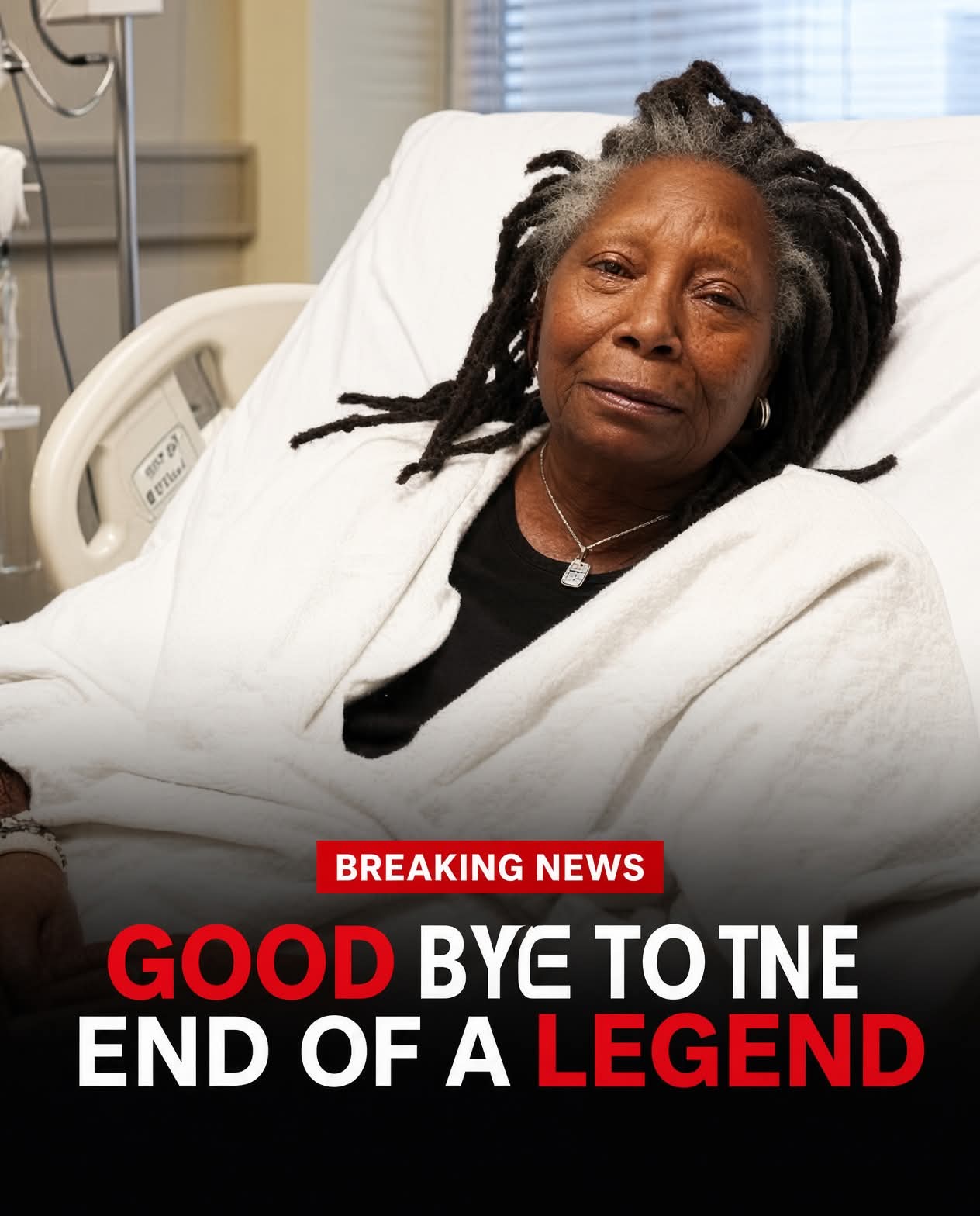
During a recent discussion on The View, Goldberg shared that she had
been diagnosed with endometriosis after initially believing some of her symptoms were related to a urinary tract infection. Her experience illustrates one of the challenges surrounding the condition: symptoms can vary widely and may sometimes resemble other health problems, making diagnosis difficult.
Endometriosis occurs when tissue similar to the lining of the uterus grows outside the uterus. This can lead to inflammation, scarring, and pain, and may involve areas such as the ovaries, fallopian tubes, and tissues surrounding the pelvis. The condition can have a significant effect on daily life, particularly when symptoms are severe or remain untreated.
One of the most widely discussed issues surrounding endometriosis is the delay many patients experience before receiving an accurate diagnosis. Symptoms such as pelvic pain, painful periods, pain during sexual activity, digestive problems, and other forms of discomfort can sometimes be attributed to more common conditions. As a result, patients may visit multiple healthcare providers before the underlying cause is identified.
Goldberg’s decision to discuss her experience publicly is significant because conversations about
women’s reproductive health have historically been surrounded by stigma and misunderstanding. When well-known figures share personal experiences, they can help encourage broader conversations and remind people that persistent or severe symptoms deserve medical attention.
Diagnosis of endometriosis generally begins with a detailed medical history and discussion of symptoms. Depending on the circumstances, healthcare professionals may use pelvic examinations and imaging such as ultrasound or MRI. In some cases, laparoscopy may be used to examine the pelvic area and confirm the presence of endometriosis.
Treatment depends on the individual’s symptoms, overall health, and personal circumstances. Options may include pain-management medications, hormonal treatments, and surgical procedures. Doctors may also recommend other supportive approaches depending on how the condition affects a patient’s quality of life.
Beyond physical symptoms, endometriosis can have emotional consequences. Living with chronic pain or uncertainty about a diagnosis can be stressful and may affect work, relationships, social activities, and overall well-being. For some patients, fertility concerns can add another layer of emotional difficulty.
Goldberg’s comments therefore extend beyond her own experience. They contribute to a
larger conversation about the importance of recognizing women’s health conditions, improving medical education, and encouraging patients to seek professional evaluation when symptoms persist.
Greater awareness can help people better understand what endometriosis is and why early medical attention matters. Public discussions involving celebrities, healthcare professionals, researchers, and patients can also help reduce stigma and encourage more open conversations about pelvic and reproductive health.
While Goldberg’s story is personal, it reflects an issue experienced by many people around the world. Her willingness to speak openly about her diagnosis may help others feel less alone and more comfortable discussing symptoms with qualified healthcare professionals.
Important: This article is for informational and educational purposes only and should not be considered medical advice. Anyone experiencing persistent or severe symptoms should consult a qualified healthcare professional.

💔 30 MINUTES AGO, IN KANSAS CITY, KANSAS CITY CHIEFS STAR TRAVIS KELCE AND HIS MOTHER DONNA KELCE WERE OFFICIALLY CONFIRMED AS…

Whoopi Goldberg’s SAD NEWS😭💔. See in the first comment👇

❤️🏡 “THEY GAVE ME EVERYTHING — NOW I WANT TO GIVE THEM THE WORLD…” — SCOTTIE SCHEFFLER REPORTEDLY SPENDS $50 MILLION ON A LUXURY VILLA IN MONACO FOR HIS PARENTS. His deeply touching gesture honoring their lifelong sacrifices left the golf world stunned, while his parents’ emotional reaction quickly became the moment everyone was talking about… 👇

“Horrific Footage Of A 15-Year-Old KJ Biermann Having S-x With Underage Family Member Revealed in Court Full story in comments. 👇”

PATRICK MAHOMES ARRIVES WITH MASSIVE BABY GIFTS AT TAYLOR & TRAVIS’S $5.35M ESTATE AS PREGNANCY HINTS EXPLODE! Did an unexpected visit with oversized packages and a leaked look at a secret storybook castle room inside the mansion finally expose the truth? Read the full story on Taylor’s subtle hint now! 🏰💍👶💥👇

Travis Kelce makes new comments about Taylor Swift wedding: ‘Best night of my life’

BREAKING: Taylor Swift and Travis Kelce Face Unusual Rumors Before Chiefs Season Read more:

🔥 NO LONGER THE RUMOR: Just moments ago, Travis Kelce shared the massive update we’ve all been waiting for…

🚨 BREAKING: Travis Kelce Confirms Taylor Swift Is Pregnant After Paparazzi Spot Her Battling Morning Sickness! 👶❤️ Full story via 🔗in comments. 👇

🚨 The absolute truth about Taylor Swift and Travis Kelce’s ultra-secret wedding is finally coming to light! 💍✨ While the world has been desperate for details behind those heavy Madison Square Garden blackout curtains, sister-in-law Kylie Kelce just broke her silence with a stunning, emotional announcement. Get ready for a jaw-dropping look inside the wedding of the decade! Click the link in the comments to read the full, explosive story right now! 👇

Taylor Swift, Travis Kelce, Former Presidents Barack Obama, Joe Biden, Bill Clinton, and George W. Bush attend a ceremony in New York City, Friday morning, to commemorate the 25th anniversary of the 9/11 attacks…See 15 Photos
