
CELEBRITY
CNN, MS NOW and Politico Take Trump Administration to Court Over White House Press Ban

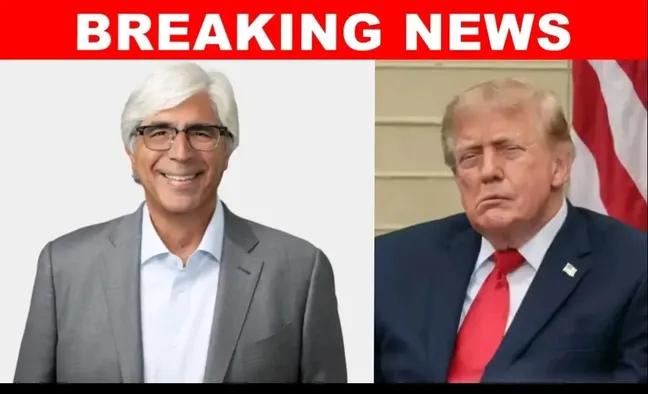
CNN, MS NOW and Politico have taken their fight with the Trump administration to federal court after their journalists were barred from the White House and their press credentials were revoked.
The three news organizations filed a lawsuit Monday in federal court in Washington, D.C., seeking emergency relief that would restore their access to the White House. They argue that the administration’s decision violates protections under the First Amendment and the Fifth Amendment.
At the center of the legal challenge is Ted Boutrous, a prominent First Amendment attorney representing the three organizations.
Boutrous said the ban was an attack on press freedom and argued that existing legal precedent supports the news organizations’ position.
«“The law is on our side across the board,” Boutrous said in a statement, adding that the restrictions harm the public’s ability to receive independent coverage of the president.»
Why the outlets are suing
President Donald Trump announced Friday that CNN, MS NOW and Politico would be barred from the White House, criticizing what he described as negative and inaccurate coverage.
Trump has defended the decision, saying the administration is targeting what he calls “fake news” rather than the free press. He has also argued that certain media organizations represent a threat to national security, although Reuters reported that the administration has not provided evidence supporting that claim.
The news organizations argue that the administration cannot punish journalists by restricting their access because officials dislike the content or tone of their reporting.
Their lawsuit says the government should not determine what journalists report or publish. The outlets are also challenging the process through which their credentials were revoked, arguing that they were denied adequate notice and an opportunity to contest the decision.
Reporters were turned away
The dispute escalated over the weekend when reporters from the three organizations attempted to enter the White House grounds and were denied access.
CNN’s Betsy Klein, MS NOW’s Akayla Gardner and Politico’s Cheyenne Haslett were among those affected, according to reports. Their press credentials were revoked, and CNN and MS NOW were also prevented from using their television equipment and designated camera positions.
The restrictions also created consequences for the White House television pool.
CNN had been scheduled to provide pool coverage of Trump’s presidential travel Monday. Instead, the other major television networks did not provide a replacement crew. The White House TV pool subsequently announced that it would not cover designated presidential pool events.
Boutrous has faced the White House before
This is not Boutrous’ first legal confrontation with the Trump administration over press access.
During Trump’s first presidency, Boutrous represented CNN and reporter Jim Acosta after the White House revoked Acosta’s press credentials. A federal judge ordered the administration to restore Acosta’s access after finding that his due-process rights had been violated.
Boutrous has also represented other news organizations in First Amendment litigation involving the Trump administration.
His involvement in the latest case gives the dispute an experienced constitutional-law advocate who has previously litigated White House press-access issues.
The legal battle now moves to federal court
The three organizations are asking the court to move quickly, with emergency proceedings potentially taking place this week.
Their case will raise questions about the government’s authority to control access to the White House and whether that authority can be exercised differently because of a news organization’s reporting.
Previous court decisions have addressed White House press access, including a 1977 case involving The Nation reporter Robert Sherrill. Courts have also considered press-access disputes involving CNN’s Jim Acosta and the Associated Press in more recent years.
The Trump administration maintains that it has authority over access to the White House and disputes the news organizations’ characterization of the ban.
For now, the dispute is no longer simply a political or media confrontation. It is before a federal judge, where the competing constitutional and access arguments will be tested.
The outcome could have implications beyond CNN, MS NOW and Politico, particularly for how future administrations handle journalists whose reporting they strongly oppose.

POSTGAME PROTOCOL BROKEN! Taylor Swift Storms Into Travis Kelce’s Locker-Room Interview, Takes the Mic, and Leaves Everyone Speechless With an Emotional Message After the Chiefs’ 33–30 Win Over the Colts…See the Never-Before-Seen Clip ….

“THAT’S MY HUSBAND!” TAYLOR SWIFT SETS THE INTERNET ABLAZE WITH EXPLOSIVE THREE-WORD DECLARATION! Did her unscripted, viral stadium outburst and emotional embrace with Mama Kelce just reveal a secret wedding? Read the full truth behind the electrifying video sweeping global social media right now!

🚨 BREAKING NEWS: “SHE CHANGED MUSIC FOREVER…” — Taylor Swift makes history as she receives the inaugural Artist Director Honours at the 2026 MTV VMAs, celebrating a new chapter in her legendary career. Beyond the records, awards, and global fame, Taylor Swift is being recognized for her creative vision and influence behind the music. A groundbreaking honor has fans looking back at the journey that transformed her from a singer into one of the most influential artists of her generation. But the true meaning behind this historic moment is what has fans emotional… 👀

“🚨 “THIS ONE MEANS MORE THAN I CAN EXPLAIN…” – AFTER KANSAS CITY’S HEART-STOPPING 33-30 OVERTIME WIN, PATRICK MAHOMES’ EMOTIONAL MESSAGE ABOUT THE PERSON WHO HAS STOOD BESIDE HIM THROUGH EVERYTHING HAS CHIEFS KINGDOM TALKING. 😭❤️💛 The cameras captured the celebration. But what Mahomes reportedly wanted to say afterward went far beyond football. And one deeply personal line about his wife changed the entire mood. 👀💔 👇 FULL STORY IN THE FIRST COMMENT”

🚨 30 MINUTES AGO: Taylor Swift Announcement Turns Heads After Chiefs Win

Trump Stays at the Podium as Mamdani Continues Taking Questions

Trump and Mamdani’s Unexpected Meeting Sparks a Wave of Memes

Trump and Mamdani’s Unlikely Rapport Raises Eyebrows at Gracie Mansion

🚨 “WAIT… DID YOU SEE WHAT TAYLOR AND TRAVIS DID?” — Patrick Mahomes’ party took an unexpected turn when Taylor Swift and Travis Kelce became the center of attention. The night was supposed to be about celebrating Mahomes… But one surprising moment changed everything, with fans quickly noticing a detail that made the celebration even more special. And the reason Taylor and Travis stole the spotlight is what everyone is talking about now… 👀

Taylor Swift may have found her latest role, and it has nothing to do with a microphone or a recording studio. Insiders are claiming that the pop star is determined to find Tom Cruise his next romantic partner — and there’s a reason why.
