
CELEBRITY
‘Impeach everyone responsible’: Trump order defying Supreme Court horrifies expert

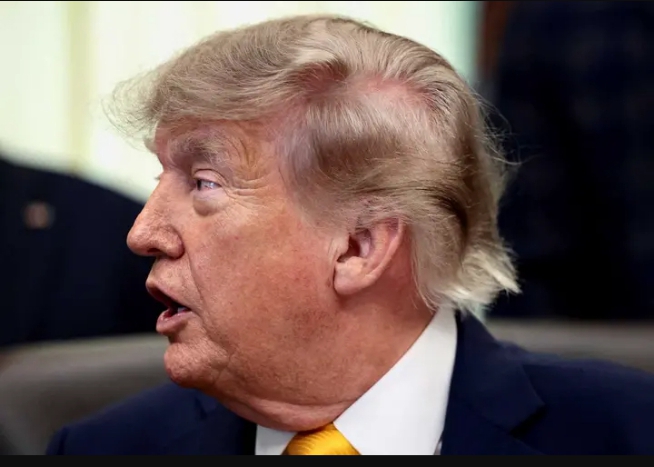
‘Impeach Everyone Responsible’: Trump Administration’s Supreme Court Clash Sparks Outrage
A new clash between the Trump administration and the U.S. Supreme Court has triggered fierce criticism from legal observers, with one expert reportedly arguing that officials who deliberately defy binding court orders could face the ultimate constitutional consequences.
The controversy comes amid a broader series of legal battles over President Donald Trump’s executive actions. The Supreme Court has increasingly been asked to weigh in on disputes involving the administration, including conflicts over presidential authority and federal officials.
One recent Supreme Court decision, Trump v. Cook, involved Trump’s attempt to remove Federal Reserve Governor Lisa Cook. The Court denied the administration’s request to block a lower-court order protecting Cook while the litigation continued.
Against that backdrop, critics are raising a fundamental constitutional question: What happens when an executive administration refuses to comply with a judicial order?
That question has become particularly explosive because the U.S. Constitution establishes separate powers for the executive, legislative and judicial branches. Courts depend on executive officials to respect and implement their lawful orders, while Congress possesses oversight and impeachment powers.
The phrase “impeach everyone responsible” reflects the view of critics who believe that deliberate defiance of the judiciary would represent a serious threat to the constitutional system. The headline itself comes from reporting by Raw Story, which described an expert reacting strongly to an alleged Trump administration action that conflicted with a Supreme Court ruling.
However, impeachment is not automatic whenever a president or administration official loses a legal dispute. It is a political-constitutional process requiring action by Congress, and whether particular conduct constitutes an impeachable offense would depend on the facts and the legal circumstances.
The bigger issue is therefore not simply whether Trump or his officials win or lose individual court battles. It is whether the administration ultimately accepts the authority of the courts when judicial decisions go against it.
That distinction matters. A president can challenge a ruling through appeals and seek emergency relief from higher courts. But deliberately refusing to obey a final, legally binding order would raise a far more serious separation-of-powers confrontation.
With the Supreme Court already handling several major disputes involving the Trump administration, the coming months could test the boundaries between presidential power and judicial authority in ways that could have consequences well beyond the current political fight.
The central question is increasingly clear: Can the constitutional system function if one branch of government decides that court orders apply only when it agrees with them?

‘Impeach everyone responsible’: Trump order defying Supreme Court horrifies expert

Trump’s Beef Bonanza Backfires: Cheap Meat Promise Sparks Rancher Revolt

Trump Turns Dolly Parton’s Death Into AI Slop Theater, and Everyone Notices

Pete Hegseth Trolls Canada Again Despite Mark Carney Warning

Judge orders Trump officials to disclose who set up the $1.8B ‘anti-weaponization’ fund

🚨 THE QUESTIONS SURROUNDING THE LINDSAY CLANCY CASE

The Three Men at the Center of a Global Reckoning

Barron Trump Reportedly ‘Won’t Go Out’ After Iran Announced A $10M Bounty On His Head And Spent Most Of The Summer With Melania Trump: He’s ‘Reclusive’

Mamdani’s Jewish Reckoning: From Gaza Crusade to Borough Park Theater, Everyone Poses, Nobody Agrees
