
CELEBRITY
Trump’s Beef Bonanza Backfires: Cheap Meat Promise Sparks Rancher Revolt

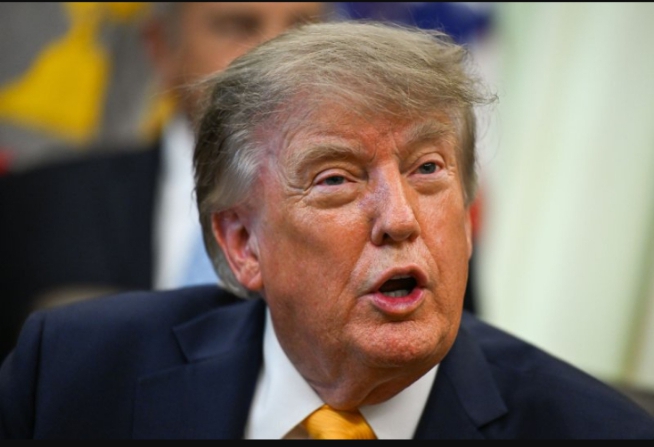
Trump’s Beef Bonanza Backfires: Cheap Meat Promise Sparks Rancher Revolt
President Donald Trump’s latest effort to bring down soaring beef prices is creating an unexpected political problem: some of the ranchers he says he wants to help are pushing back.
The Trump administration has moved to increase beef imports in an effort to put downward pressure on grocery prices. The plan includes allowing as much as 300,000 metric tons of imported ground beef into the United States tariff-free for 90 days, with the administration arguing that increased supply will help consumers facing record-high prices.
But cattle producers and several Republican lawmakers say the strategy could hurt American ranchers in the long run.
Their argument is straightforward: the United States is already dealing with a historically small cattle herd. Flooding the market with cheaper imported beef could reduce demand for domestically produced cattle, potentially discouraging ranchers from rebuilding their herds.
Sen. Mike Rounds of South Dakota, a Republican from one of the country’s major cattle-producing states, bluntly warned that the policy “hurts” American cattle producers. Other Republicans, including Sen. Tom Cotton of Arkansas, have similarly argued that the underlying problem is the size of the U.S. cattle herd—not simply a lack of imported beef.
The political backlash became serious enough that Trump has now paired his affordability push with measures designed to strengthen smaller ranchers. He has announced actions aimed at making it easier for farmers and ranchers to process and sell their own meat, challenging the dominance of the country’s largest meat processors.
That exposes the central tension in Trump’s beef strategy.
Consumers want cheaper beef now. Ranchers want policies that make raising cattle profitable enough to rebuild America’s herd for the future.
Those goals can collide.
The controversy also comes as the Justice Department investigates the beef industry over concerns about pricing and competition. The investigation initially focused on major meatpackers and has since expanded to major grocery retailers, adding another layer to the administration’s attempt to explain why consumers are paying so much for beef.
Trump is therefore facing a difficult balancing act: deliver lower food prices to consumers without alienating the rural producers who have traditionally formed an important part of his political coalition.
For now, the beef fight has become more than a debate over hamburgers and steaks. It is a battle over who should bear the cost of America’s cattle shortage—and whether a short-term price cut is worth the potential long-term consequences for American ranchers.
The promise of cheap beef may sound politically attractive. But if ranchers believe the policy threatens their livelihoods, Trump’s beef bonanza could become a revolt from one of his most important constituencies.

‘Impeach everyone responsible’: Trump order defying Supreme Court horrifies expert

Trump’s Beef Bonanza Backfires: Cheap Meat Promise Sparks Rancher Revolt

Trump Turns Dolly Parton’s Death Into AI Slop Theater, and Everyone Notices

Pete Hegseth Trolls Canada Again Despite Mark Carney Warning

Judge orders Trump officials to disclose who set up the $1.8B ‘anti-weaponization’ fund

🚨 THE QUESTIONS SURROUNDING THE LINDSAY CLANCY CASE

The Three Men at the Center of a Global Reckoning

Barron Trump Reportedly ‘Won’t Go Out’ After Iran Announced A $10M Bounty On His Head And Spent Most Of The Summer With Melania Trump: He’s ‘Reclusive’

Mamdani’s Jewish Reckoning: From Gaza Crusade to Borough Park Theater, Everyone Poses, Nobody Agrees
