
CELEBRITY
Trump warned of ‘painful attacks’ should he follow through on violent threat, report says

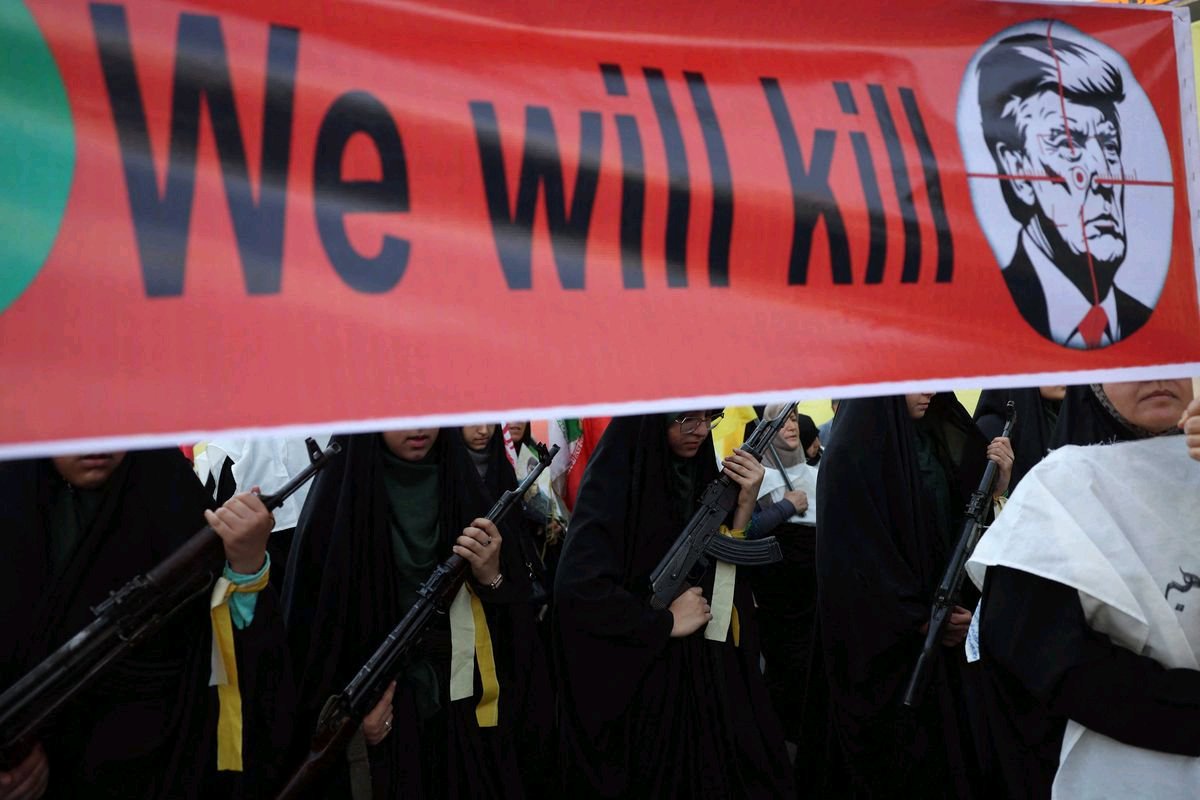
WASHINGTON — President Donald Trump’s increasingly forceful threats toward Iran are drawing renewed attention as tensions between Washington and Tehran continue to escalate, with reports warning that any decision to carry out his most extreme threats could trigger serious retaliation.
Trump has repeatedly warned Iran that the United States could take devastating military action if Tehran threatens his administration or moves against American interests. His remarks have raised concerns about the possibility of another major escalation in an already volatile Middle East conflict.
The latest warnings come as Iran and the United States remain locked in a dangerous confrontation. Iranian officials have repeatedly said that any new American attack could provoke retaliation against U.S. forces and interests in the region.
Trump’s warning to Iran
Trump has previously suggested that Iran could face extraordinary consequences if its government attempts to assassinate him or carries out other attacks against the United States.
In July, Trump said he had instructed the U.S. military to respond with overwhelming force if Iran followed through on threats against him. He described the potential response as being on a scale Iran had never experienced.
However, legal and national-security experts have pointed out that presidential statements do not automatically create a mechanism requiring the military to launch a predetermined retaliation.
Under the U.S. constitutional system, if a president were killed, the vice president would assume the presidency and become commander in chief. Any subsequent military decision would therefore remain subject to the authority of the sitting administration.
Iran threatens retaliation
Iran has responded to American threats with warnings of its own.
Iranian military officials have said that U.S. attacks would not go unanswered and that American interests and regional allies could become targets.
The situation has become even more complicated following renewed attacks involving Iran-backed Houthi forces and growing tensions around critical waterways in the Middle East.
The Strait of Hormuz and other major shipping routes remain particularly sensitive because disruption could affect global oil supplies and energy prices.
Earlier threat over Iran’s civilian infrastructure
Trump has also previously made extremely broad threats regarding Iran’s infrastructure.
During an earlier escalation, he threatened attacks against Iranian bridges and power facilities and warned that an entire civilization could face destruction.
Those comments triggered criticism from international-law experts and former military officials, who argued that attacks against civilian infrastructure would raise serious legal questions if the facilities were not legitimate military targets.
The laws governing armed conflict require military forces to distinguish between legitimate military objectives and civilians or civilian objects.
A dangerous moment
The latest confrontation comes as both sides continue to issue threats while leaving open the possibility of diplomacy.
Trump has indicated that he remains willing to negotiate with Iranian leaders, even as he maintains that military action remains an option.
Iran, meanwhile, has insisted that it will not accept negotiations under conditions it considers unacceptable.
The combination of military threats, regional attacks and diplomatic uncertainty has increased fears that a single incident could trigger a much wider conflict.
For now, the central question is whether Washington and Tehran can step back from their increasingly aggressive rhetoric before another military confrontation becomes unavoidable.
The stakes extend far beyond the two countries. A major escalation could threaten U.S. troops and allies across the region, disrupt energy markets and further destabilize already fragile Middle Eastern security arrangements.
The coming days could therefore prove critical as both sides weigh military pressure against the possibility of renewed diplomacy.

Republican backlash grows over Don Jr.’s billionaire-funded Bahamas wedding celebrations

Trump’s ‘Breathtaking’ Corruption Has the World Feeling Like It’s ‘Coming Apart,’ Strategist Says

Trump warned of ‘painful attacks’ should he follow through on violent threat, report says

Germany’s Regional Elections Send a Warning to Merz as AfD Gains Ground

Leon Black Faces Congressional Contempt Over Jeffrey Epstein Investigation

Charles Spencer Stands by Claim About King Charles After Princess Diana’s Funeral

New Zealand Calls for Stronger U.S. Role in Pacific as Regional Tensions Grow

Xi Heads to Trump Summit as China’s Trade Engine Keeps Roaring

How Trump and Xi Went From Tariff War to Trade Truce

Macron Backs Canada’s Push for Closer EU Ties as Ottawa Turns Toward Europe

Red-State Voters Show Growing Frustration With Trump Ahead of Midterms
