
CELEBRITY
Australia and New Zealand Could Follow Canada Toward EU ‘Associate Membership’

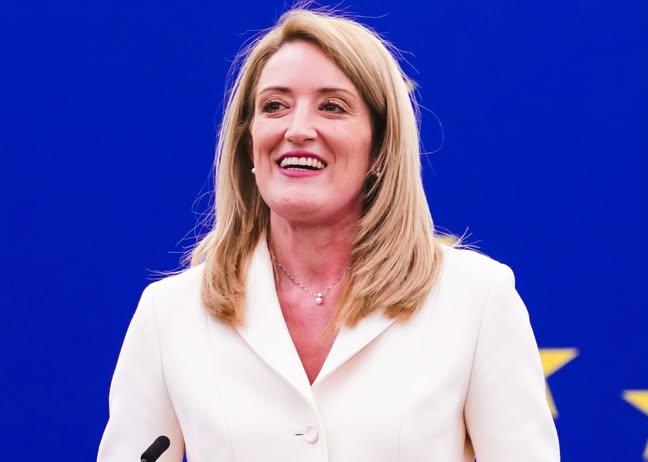
A major shift in international alliances could be taking shape as European Parliament President Roberta Metsola says Australia and New Zealand could potentially follow Canada in pursuing a closer relationship with the European Union.
In an interview with Euronews, Metsola said the EU wants to deepen relations with countries that share common interests and suggested that Australia and New Zealand could be among the countries seeking closer cooperation.
The comments came after European Commission President Ursula von der Leyen proposed that Canada become the EU’s first-ever “associate member.” The proposed status would sit somewhere between full EU membership and ordinary partnership, although its exact structure has not yet been established.
Possible areas of cooperation include trade, critical minerals, technology, defence, energy and regulatory cooperation. Australia and New Zealand already have significant economic relationships with the EU, providing a potential foundation for deeper ties.
The development comes amid increasingly complicated relations between Washington and some of its traditional allies. President Donald Trump has threatened additional tariffs on the EU if he considers closer Canada-EU integration a hostile move. European officials, however, have said the proposed partnership with Canada is not directed against the United States.
Canadian Prime Minister Mark Carney has welcomed the proposal, arguing that stronger cooperation between Canada and Europe could increase economic and strategic resilience.
For now, no new EU “associate membership” system has been formally created, and any such arrangement would require agreement among EU member states. But Metsola’s comments signal that the idea could extend beyond Canada—and potentially reshape how the EU works with countries outside Europe.
The bigger question now is whether this emerging network of partnerships will grow as traditional alliances face increasing pressure.

Prince Harry, 42, spotted enjoying an intimate vacation in the UK with a mysterious 31-year-old woman without his wife Meghan Markle, 45, but one unexpected detail raises big questions

🚨 Prince Harry & Meghan Markle’s $13M Dream Home Reportedly ‘Beyond Their Reach’ — Financial Questions Emerge as Their UK Property Search Hits a Major Roadblock!

BREAKING RIGHT NOW: RUSSELL BRAND FOUND GUILTY OF ONE COUNT OF RAPE AND THREE COUNTS OF SEXUAL ASSAULT.

🚨 ROYAL MARRIAGE IN CRISIS? Charles and Camilla’s Relationship Reportedly Turns Increasingly TOXIC as Explosive Claims Emerge That the Queen Is ‘Raging Mad’ at the King — Insiders Say She Feels Betrayed, Attacked and Completely Pushed to Her Breaking Point!

Now we allll know that Epstein’s island is Trump’s island after all, but who’s this one with them? Who brought her???

Prince William and Prince George after the match between Aston Villa and Barcelona, in the Champions League, at the Camp Nou, in Barcelona, Spain.

🚨 BOMBSHELL: Meghan Markle’s Family Thrown Into Fresh Scandal as Brother Named Person of Interest in Father Thomas’s Shocking Pornography Probe — Police Reveal Disturbing New Witness Claims Involving Alleged Underage Girls!

Russell Brand has been found guilty on 1 count of rape and 3 counts of sexual assault.

🚨 BREAKING: Russell Brand has been found guilty of one count of rape and three counts of sexual assault

So basically, Donald Trump fired a disproportionate amount of Black Women from their jobs in his “Federal Workforce Cuts” so they all decided to run for office on literally every level and won ? 🔥🔥🔥

🚨 Amber Rose and NBA Star Christian Wood Spark Romance Buzz After Beverly Hills Dinner Date! 👀
